The Hidden Cost of Retyping the Same Tool Data, Over and Over
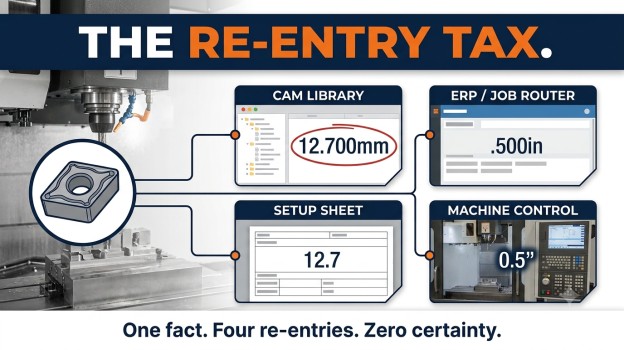
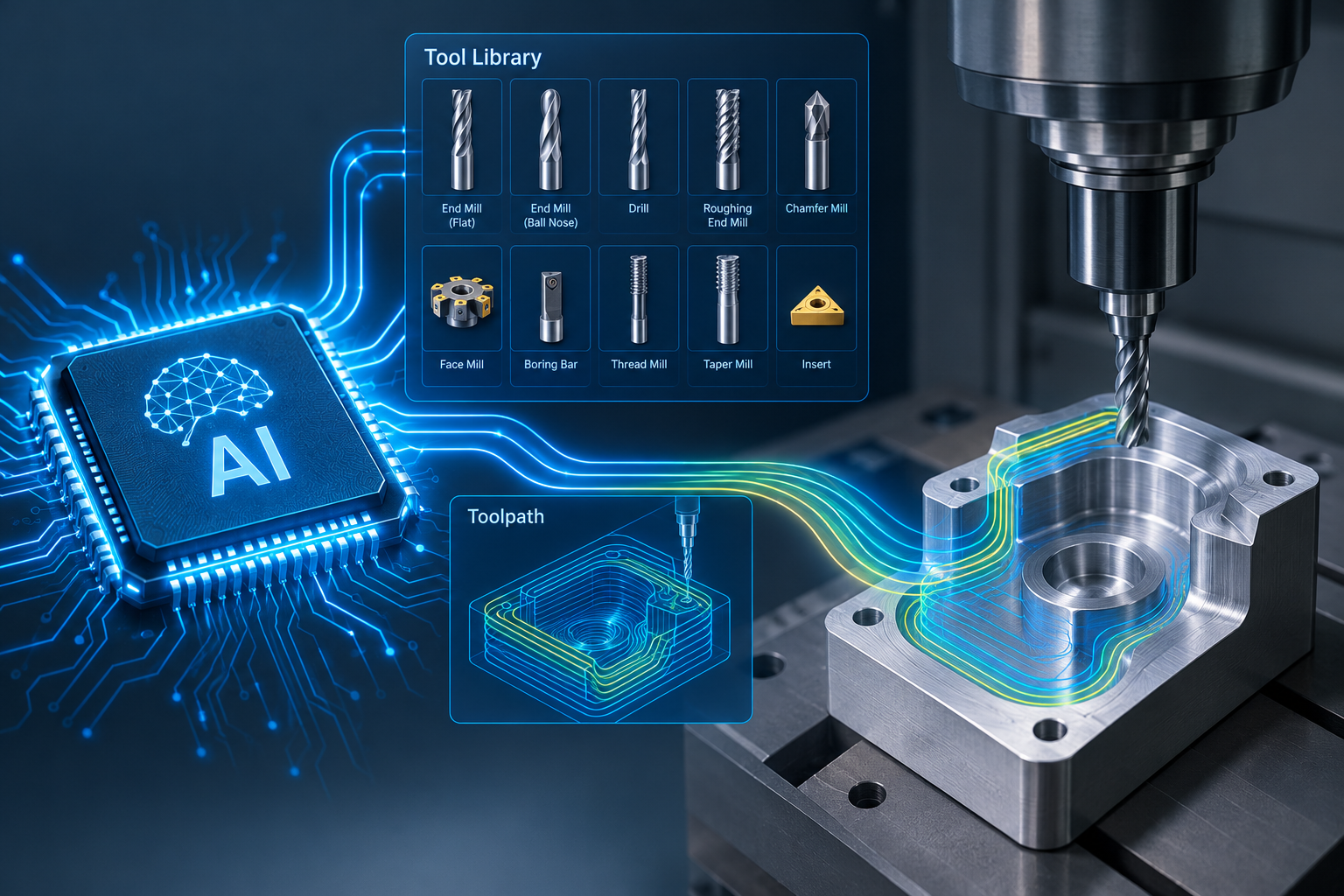
How many times does the same carbide insert get typed into a computer before it ever touches metal?

How many times does the same carbide insert get typed into a computer before it ever touches metal?

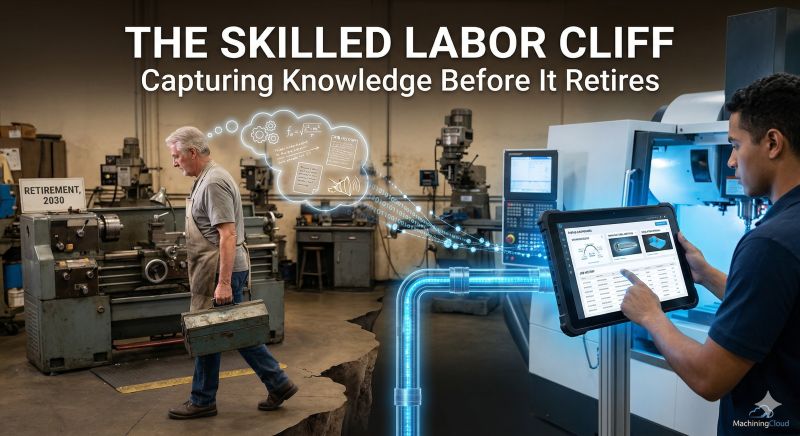
26% of the U.S. manufacturing workforce is expected to retire by 2030. That stat gets quoted a lot. But here’s the part that doesn’t get enough attention: it’s not just people leaving. It’s knowledge.

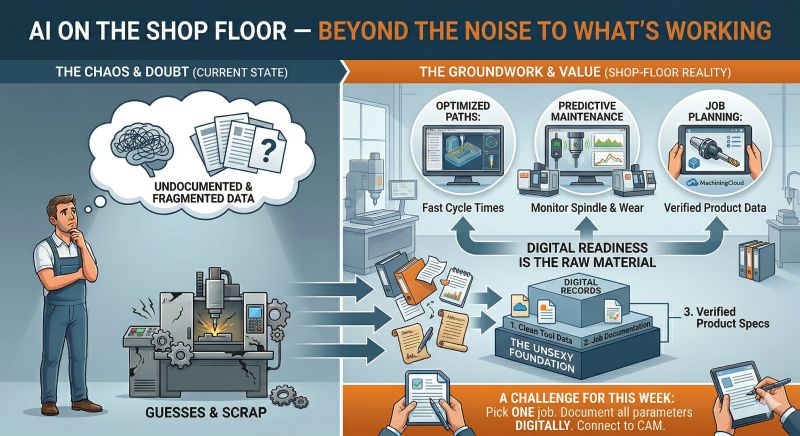
A customer recently asked a question that’s coming up more and more: “We keep reading about AI changing manufacturing. Are we already behind?”
The honest answer is complicated. Most shops aren’t behind. But they’re not wrong to feel uneasy, either. There’s a real gap forming between shops laying the groundwork for AI and shops waiting for it to show up as a button they can press.

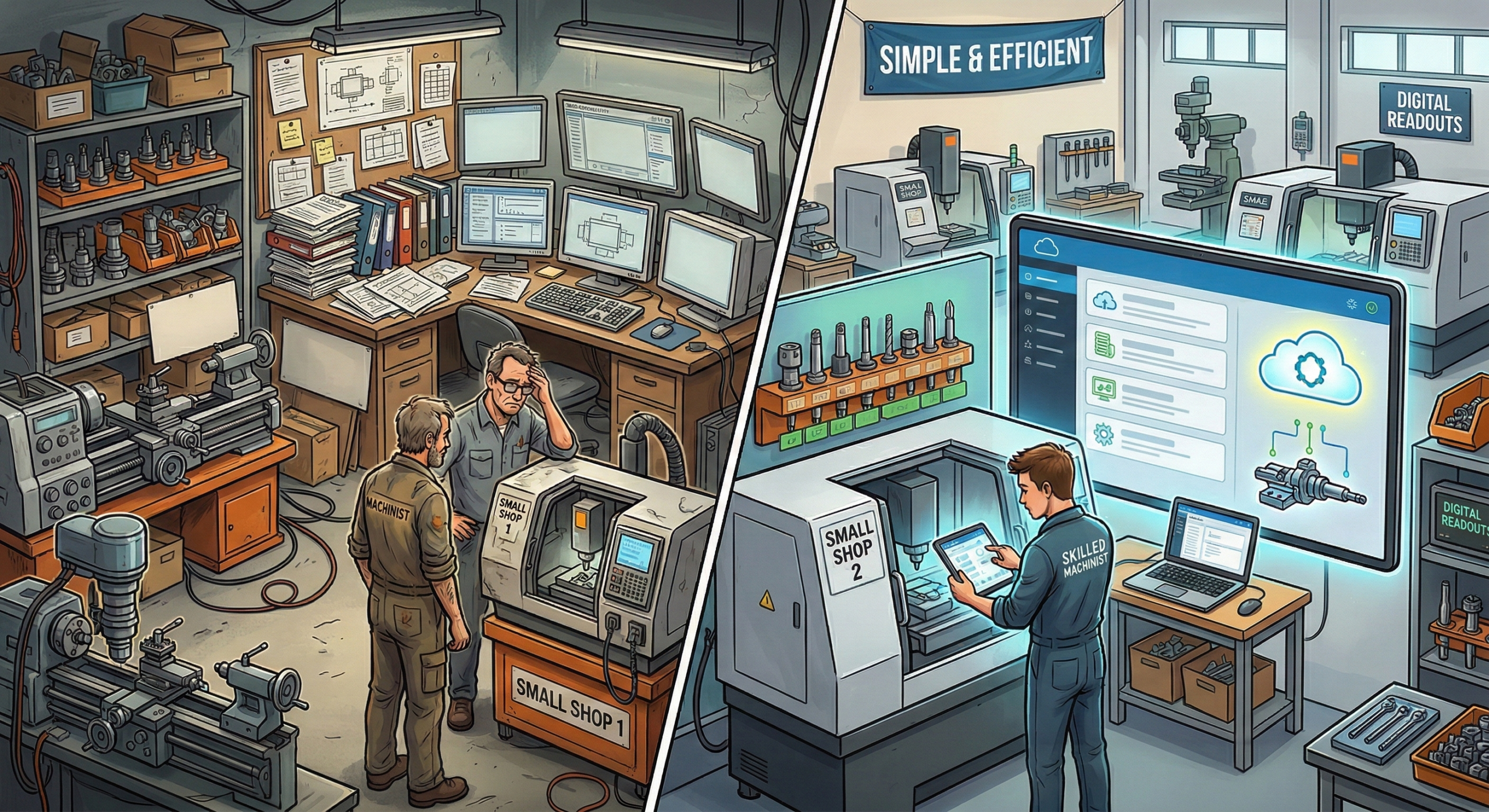
For small-to-medium-sized machine shops, efficiency isn’t just a goal—it’s the difference between a profitable month and a loss. While optimizing the shop floor is essential, one of the most significant hurdles remains tool management.

Machine shops are spending fortunes on powerful TMS solutions that never get fully implemented. It’s time to stop buying complexity and start using a solution actually built for the shop floor.

Every machinist has lived it – long nights, last-minute reprogramming, the job that should have been simple but turned into a fire drill. The machine is running, but the operator is juggling notes, trying to remember what worked last time, hoping today goes smoother than yesterday.
This cycle of reinventing the wheel is not only inefficient but also costly. The antidote is a disciplined approach to a task many overlook: meticulously tracking your work. This isn’t just about paperwork; it’s about building a library of knowledge that drives quality, streamlines preparation, and future-proofs your operations.

Every machinist knows that no two jobs are ever exactly the same — but the best ones don’t start from zero either. The shops that stay on schedule and on budget aren’t just working harder; they’re working from what already worked.

In any machine shop, the pressure is constant. Customers want high-quality parts, tight deadlines, and competitive pricing. In the daily rush to make chips and ship products, it’s easy to fall into a cycle of “just get it done.” A complex job comes in, the team scrambles, relies on memory, and solves the problem. Weeks later, a nearly identical job arrives, and the same scramble begins all over again. Sound familiar?
This cycle of reinventing the wheel is not only inefficient but also costly. The antidote is a disciplined approach to a task many overlook: meticulously tracking your work. This isn’t just about paperwork; it’s about building a library of knowledge that drives quality, streamlines preparation, and future-proofs your operations.

job planning is the comprehensive process of determining the most efficient, cost-effective, and practical method for manufacturing a specific part or component. It is the crucial strategic step that happens after a design is finalized and before any metal is cut.
It is the systematic determination of the most efficient and economical sequence of operations required to produce a part that meets all engineering specifications. Essentially, it’s the detailed roadmap that guides a component’s journey from a block of metal to a finished product.

In the fast-paced world of machining, where precision and efficiency reign supreme, the concept of continuity is no longer a luxury – it’s a fundamental pillar of success. Building upon the ideas discussed in our previous article, “Of Knowledge Management,” we now delve deeper into the critical role of seamless continuity, particularly concerning work processes and the invaluable information that fuels them.